Behavioral detonation · AI-agent skills
Static scanners read a skill. Skillcatraz detonates it. We built a detonation system for agent skills, modeled on malware sandboxing, that watches what a skill actually does and the stages it moves through, then adjudicates malicious or benign. The behavioral layer the scanners structurally can't reach.
Private beta. Corroborated, responsibly-disclosed findings only.
Method
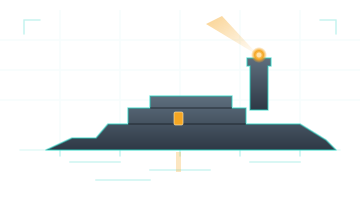
Triage keeps the cost sane; detonation does the work the scanners can't; corroboration keeps the wall honest.
We screen the skill registries continuously against our own detection principles and pull the suspicious skills forward. Most never need to detonate.
Suspicious skills run in our detonation environment, built for agent skills and isolated from anything a skill could harm.
We record what the skill does and the stages it moves through, and separate the skill's behavior from everything around it.
Behavior plus third-party corroboration decides it. Only confirmed true positives reach the wall, under responsible disclosure.
The yard
Live pipeline state. Malicious skills are the ones our review has confirmed; we are often the first to report them.
The wall
The running record of confirmed-malicious skills, each one detonated and confirmed, newest first.
| Date | Skill | Family | Corroboration | ID |
|---|
Reports
Write-ups on individual findings: what the skill claims, what it did, and who else has seen it.
Access
Private beta for teams shipping or vetting agent skills. We disclose responsibly and corroborate before we publish.
Or reach us at [email protected]